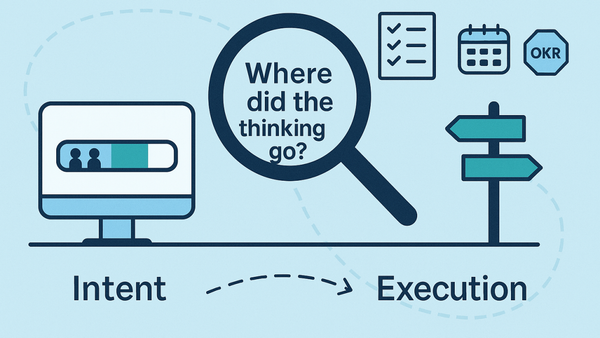

Organizational Structure & Governance Ghosts in the System: Why Naming Dysfunction Isn’t Fluff. It’s Infrastructure Naming a dysfunction doesn’t solve it, but it makes it visible. Without shared language, teams treat symptoms, not systems: feature soup, strategy drift, prioritization theater. Name it to align, track patterns, and move from vague complaints to structural diagnosis and action.
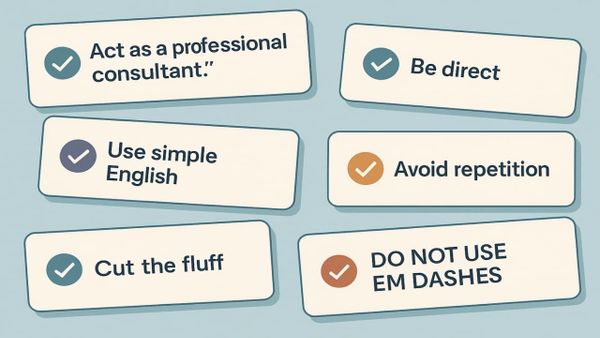
Prompt Engineering & AI Instructions The Hidden Skill That Unlocks Generative AI Generative AI’s power is tied to our ability to communicate with clarity; its output reflects the input. I saw this with my 8-year-old daughter: her vague prompt for a unicorn yielded generic results, but a detailed one created what she imagined. AI is a mirror.
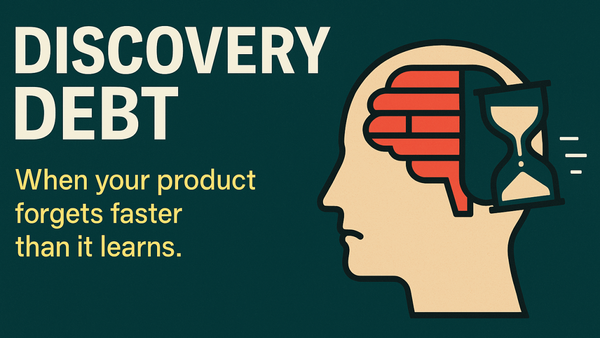
Data-Driven Decision Making Discovery Debt – When your product forgets faster than it learns. You talked to users and did research, but the system forgets. Discovery Debt is rotting context: insights learned, then lost. Work ships, learning vanishes. Fix it by wiring memory into decisions and backlogs so every ticket ties to evidence, assumptions, and outcomes. Make learning visible Always
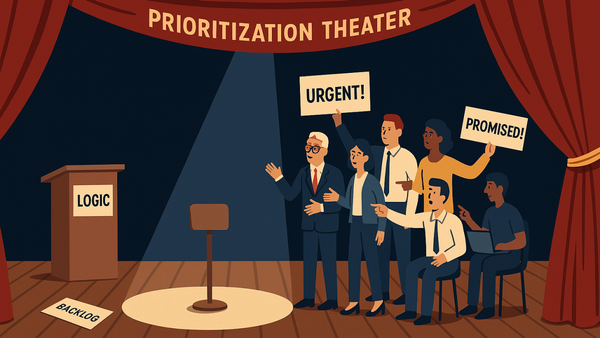
Data-Driven Decision Making The Prioritization Theater When urgency replaces logic, roadmaps become theater. Frameworks and scores look right, but escalation wins, decisions shift, and PMs broker backlogs. Real prioritization means framing problems, making trade-offs explicit, linking to strategy, and empowering 'not now' with a clear why. Make it real.
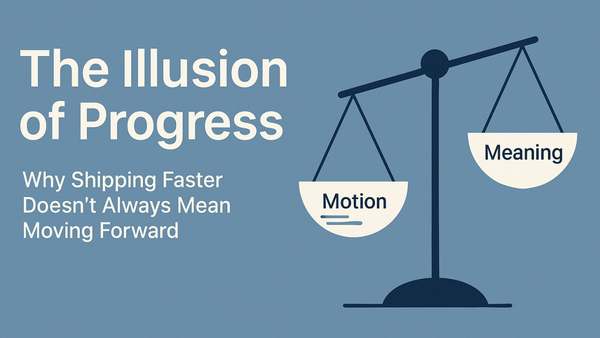
Data-Driven Decision Making The Illusion of Progress Shipping fast isn't progress. Clean backlogs and on-time releases can mask weak impact. When strategy is a slide deck, and success means 'shipped', teams sprint in circles. Progress is learning, behavior change, and clarity. Ask: what are we trying to learn, change, and prove? Then adjust. Not ship.
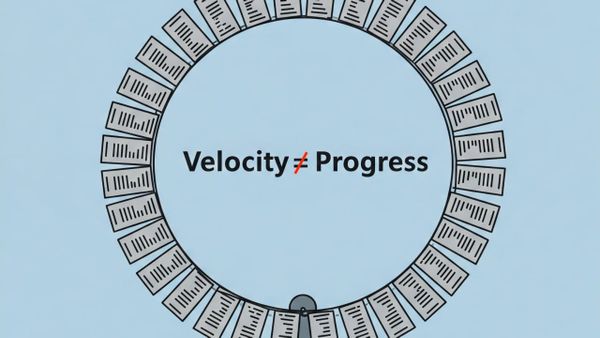
Data-Driven Decision Making We’re Delivering Faster. So Why Are We Falling Behind? Teams ship faster yet impact is unclear. Backlogs balloon into strategy placeholders, idea dumps, and priority battlegrounds. Velocity masks drift. Treat the backlog as a decision system tied to strategy, discovery, and outcomes, not a queue.
Cross-functional Collaboration Is your Agile process truly agile, or just Agile theater? Agile isn’t one-size-fits-all. Too many teams perform Agile theater: rituals without impact. In Enterprise SaaS, complexity demands both alignment and autonomy. A shared backlog as a single source of truth adds clarity and coordination without killing ownership or adaptability.